The Edge of Granite: Charting Solitude Along Chilean Glacial Corridors
Field dispatches from the Southern Ice Fields, where relentless Antarctic winds carve monumental landscapes that demand patient reverence.
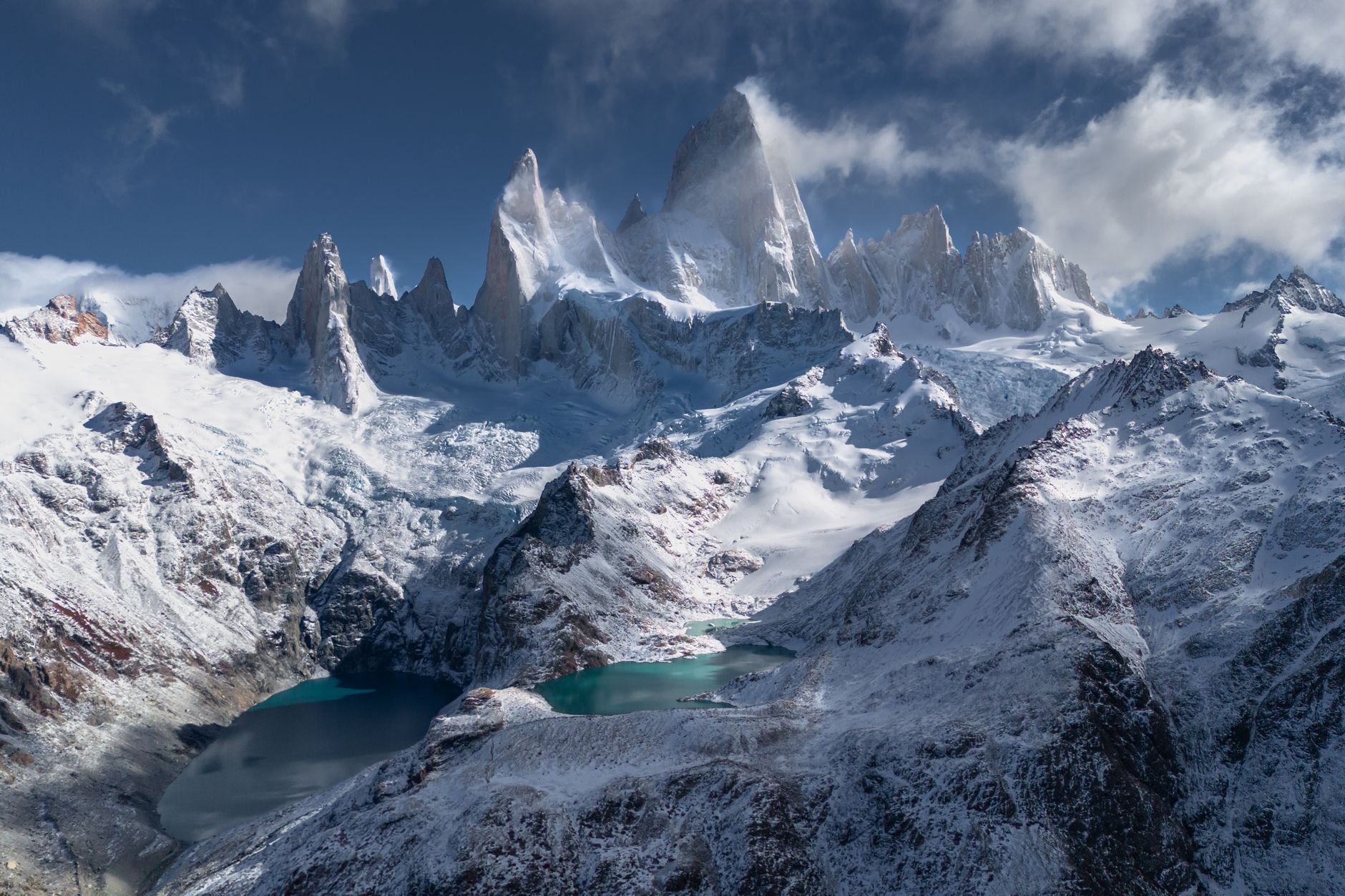
Photography by 111111 Editorial Field Dispatch • Ultima Esperanza Province
Dossier Navigation
There is no weather in Patagonia that can be described as casual. Here, air masses born above the southern Pacific ocean accelerate unimpeded across thousands of miles of open sea, only to collide with the vertical ramparts of the Andean spine. The resulting climate is fierce, dynamic, and extraordinarily beautiful: driving rain transforms into brilliant sunlight within seven minutes, painting fleeting rainbows across raw granite faces.
1. The Wind as Sculptor and Compass
Every living organism in this southern biome has evolved in conversation with the wind. The southern beech trees (lenga and ñire) grow permanently bowed toward the northeast, their trunks sculpted into living aerodynamic arcs. Magellanic woodpeckers work in the sheltered lees of ancient trunks, and herds of wild guanacos graze vigilantly on the steppe, their coats shedding sleet effortlessly.
For the traveler, this environment demands a fundamental surrender of control. Flights are delayed; vessel departures must await calm tide windows; mountain passes require flexible scheduling. Those who insist on rigidity find only frustration; those who embrace the cadence discover a rare liberation from modern clock-time.
2. Navigating the Seno Última Esperanza
Our curated expedition chartered a steel-hulled research cutter from Puerto Natales into the labyrinthine fjords of Bernardo O'Higgins National Park. Here, the Balmaceda and Serrano glaciers pour millions of tons of ancient ice into turquoise fjords.
Drifting quietly with engine idle among sapphire-blue ice floes, the silence is broken only by the sharp rifle-shot crack of calving seracs. The scale is impossible to convey through lenses: a single ice cliff rises forty meters above the waterline, dwarfing our vessel and extinguishing human self-importance.
3. The Estancia Legacy: Solitude as Culture
Beyond the glacial waterways lie the historic cattle and sheep estancias that have anchored Magallanes province since the late nineteenth century. At Estancia La Península, reached only by boat across the fjord, hospitality remains deeply grounded in gaucho tradition.
Sitting around a wood-burning iron stove sharing mate from a cured gourd, the resident horsemen speak of winters when passes are blocked by three meters of snow. Their relationship to the territory is unsentimental yet fiercely protective: they know every ravine, every spring, and every condor nesting roost on the cliff faces.
4. Ecological Stewardship in Subpolar Ecosystems
The Southern Patagonian Ice Field represents the third-largest continental ice mass on the planet. Its retreat under global climatic warming is an undeniable reality observed year by year by local glaciologists. 111111 works exclusively with expedition operators that contribute directly to private land trusts, limit party sizes to fewer than twelve persons, and adhere strictly to carbon mitigation protocols.
Related Field Essays
Silence on the High Ridge: The Quiet Resurgence of Alpine Rifugios
High-altitude mountain shelters rejecting mass tourism in favor of slow warmth.
Asia • GastronomyThe Architecture of Cedar and Broth: An Evening Inside Kyoto Ryokan Living
Investigating the sensory geometries of centuries-old tatami guesthouses.