Silence on the High Ridge: The Quiet Resurgence of Alpine Rifugios
How a handful of independent keepers across Northern Italy are reclaiming mountain cabins from commercial overrun, offering travelers woodsmoke, seasonal rye bread, and astronomical clarity.
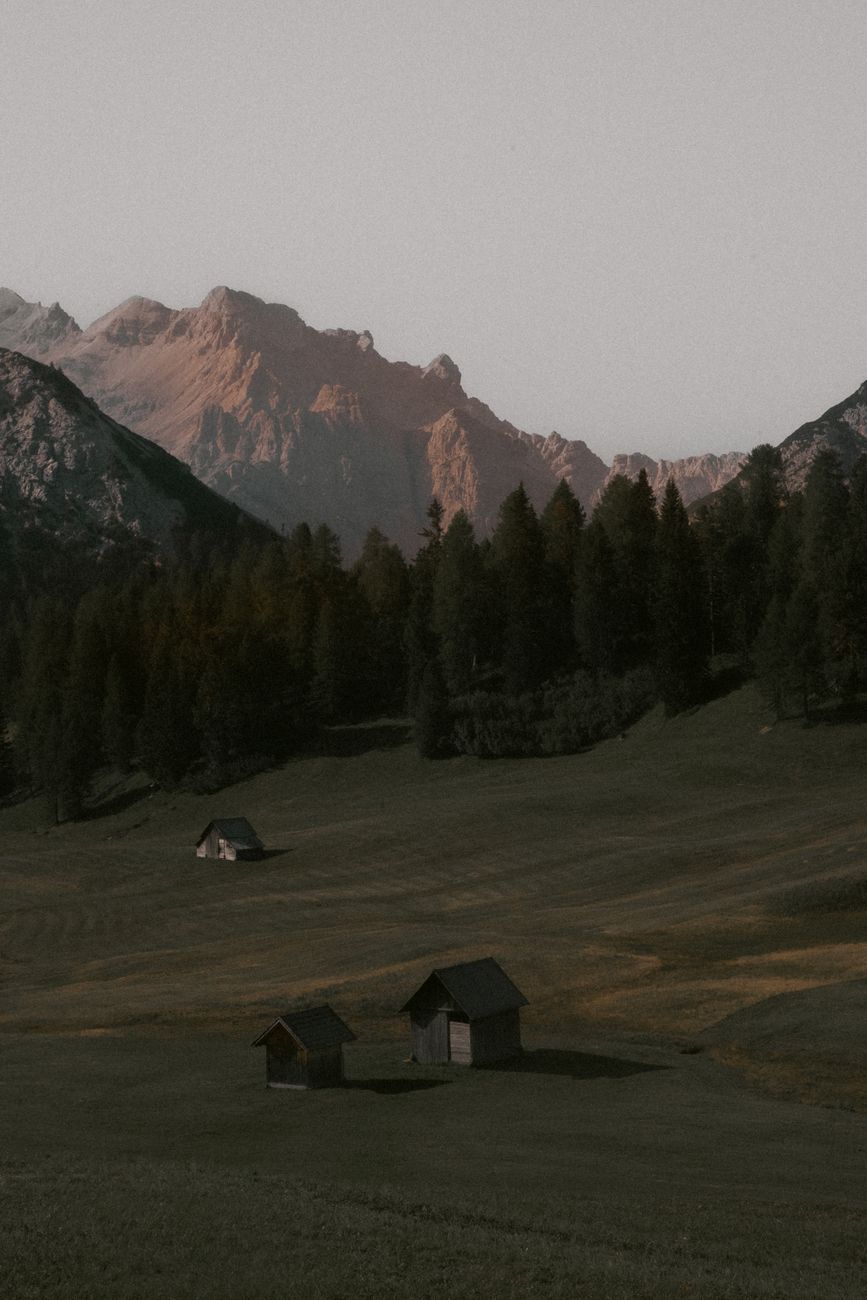
Photography by 111111 Editorial Field Dispatch • Val di Funes
Dossier Navigation
At two thousand four hundred meters above the sea, silence does not arrive as an emptiness. It presents itself as a physical weight—the scrape of scree beneath chamois hooves, the whistling intake of cold mountain air, and the distant bell of dairy cattle grazing near the timberline. For centuries, the high-altitude huts of the Dolomites were rough shelters built for shepherds, geologists, and early mountaineering cartographers. Today, as European valleys grapple with tour bus congestion, a quiet revolution is underway atop these limestone crags.
1. The Line Above the Cable Cars
The distinction between mass alpine tourism and genuine mountain fellowship is marked by a single boundary: the termination point of the mechanical lifts. Below that contour lies synthetic comfort, loudspeaker announcements, and asphalt terrace restaurants. Climb two hours beyond the upper lift station with a thirty-liter pack, and the atmosphere shifts fundamentally.
In refuges such as Rifugio Alpe di Tires and smaller stone bivouacs nestled beneath the Rosengarten group, the keepers are consciously rejecting Wi-Fi routers and single-use packaging. Electricity is metered carefully by solar batteries and micro-hydro turbines fed by seasonal snowmelt. Guests sleep in unadorned pine bunks beneath thick wool blankets, waking with the crimson dawn wash known locally as enrosadira.
"When you carry everything you need on your back for six days, your valuation of a bowl of barley soup and a dry pair of socks undergoes an irreversible recalibration."
— Marco Bernardi, Mountain Guide & Resident Contributor2. Woodsmoke and Wild Marjoram: Mountain Nutrition
Contrary to the austere canned provisions of historic climbing lore, modern high-altitude keepers are collaborating with small valley producers. Rather than flying in frozen goods by helicopter twice weekly, our surveyed rifugios arrange weekly pack-horse convoys carrying aged mountain speck, gray cheese aged in damp cellars, heirloom polenta flour, and fresh herbs collected along the lower moraine.
Dinner is served family-style at long oak trestle tables. Strangers who began the morning as distant silhouettes on trail markers sit side-by-side, sharing carafes of Teroldego wine and recounting route conditions across icy couloirs.
3. Dark Sky Reserves and the Vanishing of Glow
By nine in the evening, generators are silenced. Stepping outside onto the stone terrace reveals why high-altitude overnight stays remain unmatched: the absolute extinction of industrial light spill. The Milky Way arches from the Austrian border to the Venetian plains with crystalline sharpness.
4. Practical Route Scoping for Mindful Trekkers
For those wishing to undertake the Alta Via routes with our curatorial blueprint, consider the following tenets:
- Pacing: Restrict ascents to no more than 800 vertical meters daily to allow acclimatization and contemplative photography.
- Seasonality: The prime window spans from September 5th through October 8th, when summer holiday crowds vanish and golden larches illuminate the slopes.
- Leave No Footprint: Pack out all packaging, respect fragile subalpine meadows, and remain on marked trail cairns.
Related Field Essays
The Architecture of Cedar and Broth: An Evening Inside Kyoto Ryokan Living
Investigating the sensory geometries of centuries-old tatami guesthouses.
Americas • WildernessThe Edge of Granite: Charting Solitude Along Chilean Glacial Corridors
Expedition logs tracing marine fjord passages beneath Patagonian walls.